Understanding Germany's Health Landscape: The RKI's Crucial Role
In an era where data drives informed decision-making, understanding the health status of a nation is paramount. For Germany, the Current Health in Germany: RKI & Federal Data Insights are meticulously collected and analyzed by the Robert Koch Institute (RKI). As a central governmental public health institution, the RKI is tasked with the continuous monitoring of the health situation of the population residing in Germany.
The RKI’s monitoring efforts have historically relied on three pivotal studies: KiGGS (Child and Adolescent Health Study), DEGS (German Health Interview and Examination Survey for Adults), and GEDA (Health in Germany Current). These robust surveys provided comprehensive and reliable data on various aspects, including:
- The current health status (aktueller Gesundheitszustand) of the population.
- Health and risk behaviors.
- Healthcare provision and preventative measures.
- Environmental and living conditions across diverse population groups.
Crucially, these studies complemented existing data sources like official statistics and health insurance process data, offering insights into health trends and the underlying causes of changes. The findings are vital for epidemiological research, the Federal Health Reporting (GBE), and most importantly, for health policymakers to make scientifically-sound decisions and design targeted health promotion and care measures. This continuous data collection also enables the evaluation of health policy impacts.
A significant evolution in RKI's data collection methodology occurred in 2024, with the introduction of the "Panel Gesundheit in Deutschland" (Health in Germany Panel). This new panel replaces the previous three studies, promising continuous epidemiological data on the health status of the population that is otherwise unavailable within the German healthcare system. This forward-looking approach ensures an even more dynamic and up-to-date picture of the tedesco gesundheitszustand aktuell, further solidifying Germany's commitment to evidence-based public health.
Self-Perceived Health: A Snapshot of Tedesco Gesundheitszustand Aktuell
Beyond clinical diagnoses, how individuals perceive their own health offers valuable insights into the collective well-being of a nation. According to results from the EU-SILC (European Union Statistics on Income and Living Conditions) 2021, approximately half of Germany's population (53%) rated their health status as "very good" or "good." This self-assessment provides a broad perspective on the current health situation.
However, this perception varies significantly across age groups, a trend further explored in Age, Gender & Health: Unpacking Germany's Self-assessed Well-being. Younger individuals, as expected, reported a much higher prevalence of good or very good health:
- 15-24 year olds: 88% (89% women, 87% men)
- 75 years and older: Only 22% (20% women, 25% men)
This clear age-related decline underscores the natural progression of health challenges over a lifetime. While older individuals are more likely to experience health issues, the gender differences in self-assessment across various age brackets warrant closer examination for tailored public health interventions.
The self-assessed health status is a powerful indicator because it often correlates with individuals' functional capacity, quality of life, and even future healthcare utilization. A high self-perception of health contributes to a more active and engaged society, while a decline signals potential needs for increased support and care services.
The Burden of Chronic Illness in Germany
Chronic illnesses represent a significant public health challenge globally, and Germany is no exception. In 2021, a substantial portion of the population reported suffering from a chronic illness or a chronic health problem. The data reveals a slight gender difference and a stark increase with age:
- Overall: 39% of women and 37% of men reported a chronic condition.
- 15-24 year olds: 18% of women and 13% of men were affected.
As individuals age, the prevalence of chronic conditions rises dramatically. While the specific peak for the oldest age groups was not fully detailed in the provided context, it can be inferred that the percentage continues to climb significantly among those 75 years and older, likely affecting the vast majority of this demographic. This trend reflects the accumulative effect of lifestyle factors, genetic predispositions, and the aging process on the body.
Addressing Chronic Diseases: Practical Steps and Prevention
The high prevalence of chronic diseases highlights the critical need for effective prevention, early detection, and robust management strategies. Many chronic conditions, such as cardiovascular diseases, type 2 diabetes, and certain cancers, are largely preventable or manageable through lifestyle interventions:
- Healthy Eating: Emphasize a balanced diet rich in fruits, vegetables, whole grains, and lean proteins, limiting processed foods, sugar, and unhealthy fats.
- Regular Physical Activity: Aim for at least 150 minutes of moderate-intensity aerobic activity or 75 minutes of vigorous-intensity activity per week, along with muscle-strengthening exercises.
- Maintaining a Healthy Weight: Obesity is a major risk factor for numerous chronic diseases. Weight management through diet and exercise is crucial.
- Smoking Cessation: Smoking is a leading cause of preventable diseases and premature death. Support for quitting is widely available.
- Moderate Alcohol Consumption: Limiting alcohol intake can reduce the risk of liver disease, certain cancers, and other chronic conditions.
- Regular Health Check-ups: Early detection of risk factors or nascent conditions can significantly improve outcomes.
Germany's healthcare system, supported by data on the tedesco gesundheitszustand aktuell, continuously strives to implement programs that promote these healthy behaviors and ensure accessible care for those living with chronic conditions.
Mental Well-being: A Closer Look at Depression Rates
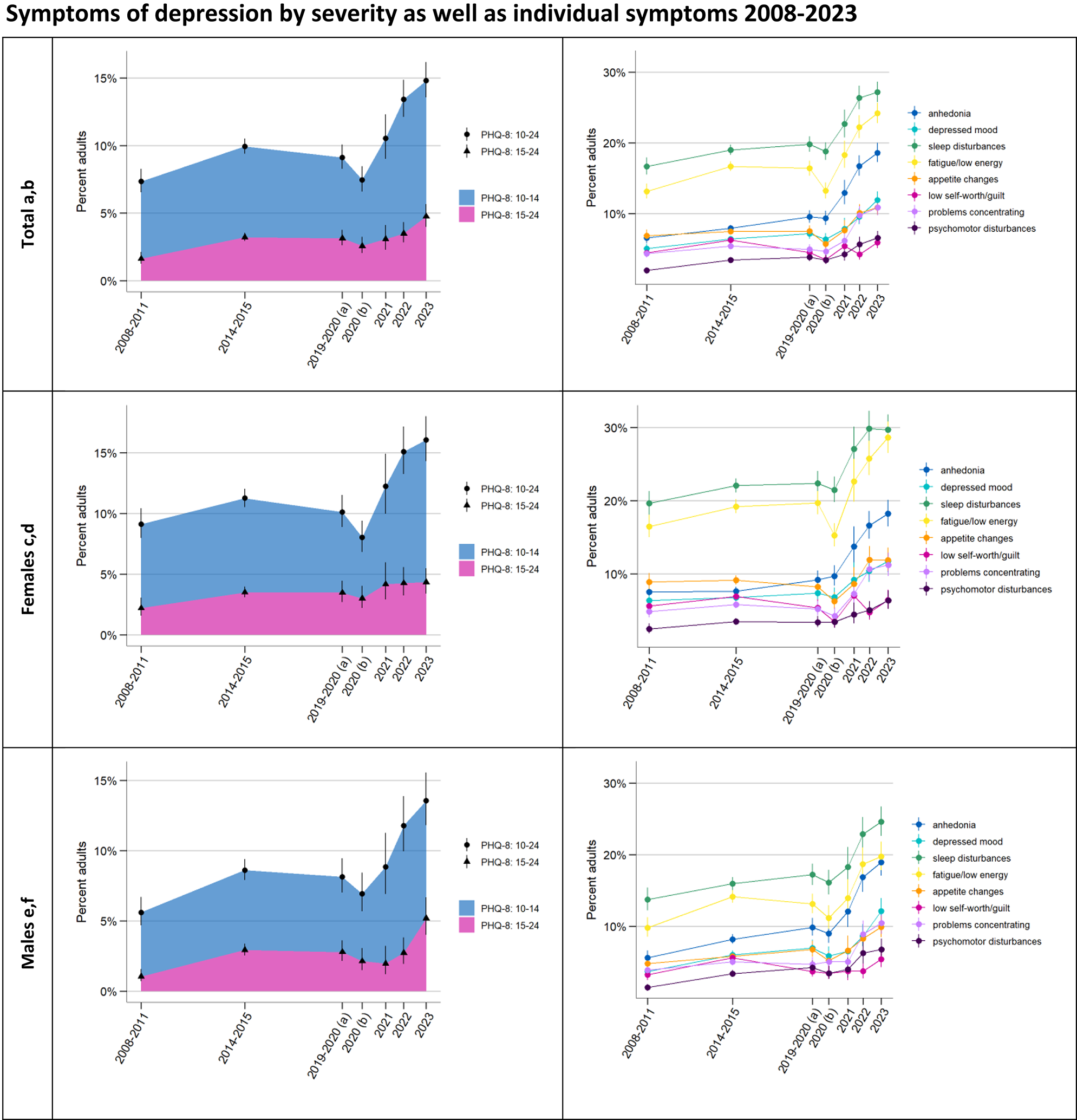
Mental health is an indispensable component of overall well-being, and recent data underscores the importance of addressing psychological challenges within the German population. In 2021, a notable percentage of individuals reported experiencing depression in the preceding 12 months:
- Overall: 13% of women and 10% of men reported depression.
A consistent finding is that women reported higher rates of depression across all age groups compared to men. The prevalence of depression also showed an interesting pattern with age:
- For women, the percentage increased with age, peaking at 19% among 65- to 74-year-olds, before slightly declining.
- For men, the highest proportion suffering from depression was also found in the 65- to 74-year-old age group, at 12%.
These figures highlight specific demographic vulnerabilities that require targeted mental health support and resources. The peak in older adults could be attributed to various factors, including social isolation, loss of loved ones, chronic health issues, and life transitions related to retirement.
Supporting Mental Health: Resources and Strategies
Addressing mental health effectively requires a multi-faceted approach, integrating clinical care with community support and individual resilience-building strategies:
- Awareness and Destigmatization: Promoting open discussions about mental health can reduce stigma, encouraging individuals to seek help without fear of judgment.
- Accessible Healthcare: Ensuring that psychological and psychiatric services are readily available and affordable is crucial. This includes therapy, counseling, and medication management when necessary.
- Social Support Networks: Fostering strong community ties and family support can act as a buffer against mental health challenges, particularly for older adults.
- Mindfulness and Stress Reduction Techniques: Teaching and encouraging practices like meditation, yoga, and other stress-reducing activities can improve mental resilience.
- Early Intervention Programs: Identifying and addressing mental health concerns at an early stage, especially in younger populations, can prevent more severe outcomes.
Insights from the RKI's monitoring, particularly the upcoming "Panel Gesundheit in Deutschland," will continue to inform and refine Germany's mental health strategies, aiming to improve the overall psychological well-being of its citizens.
Driving Health Forward: Implications and Future Outlook
The comprehensive data provided by institutions like the RKI and the Federal Statistical Office offers invaluable insights into the tedesco gesundheitszustand aktuell. The interplay between self-perceived health, the prevalence of chronic illnesses, and the rates of mental health conditions paints a nuanced picture of public health in Germany.
The observed trends, such as the age-related decline in self-assessed health, the increasing burden of chronic diseases with age, and the significant impact of depression (especially on women and older adults), necessitate continuous vigilance and adaptable public health policies. These data points are not mere statistics; they represent real people and real challenges within the German society.
The shift to the "Panel Gesundheit in Deutschland" from 2024 signifies a proactive step towards more dynamic and continuous data collection. This will enable policymakers to respond more swiftly and precisely to emerging health trends, evaluate the efficacy of interventions in real-time, and allocate resources more efficiently. By understanding the causes and conditions of health changes, Germany can better conceptualize targeted measures for health prevention and care.
Furthermore, Germany's commitment to sharing its health monitoring data with corresponding institutions in the European Union contributes to improving the broader European data landscape. This international collaboration fosters a collective approach to tackling health challenges that often transcend national borders.
Ultimately, a healthy population is the bedrock of a thriving society. By leveraging robust data, fostering preventative behaviors, ensuring equitable access to healthcare, and prioritizing mental well-being, Germany continues to strive for a healthier future for all its residents.